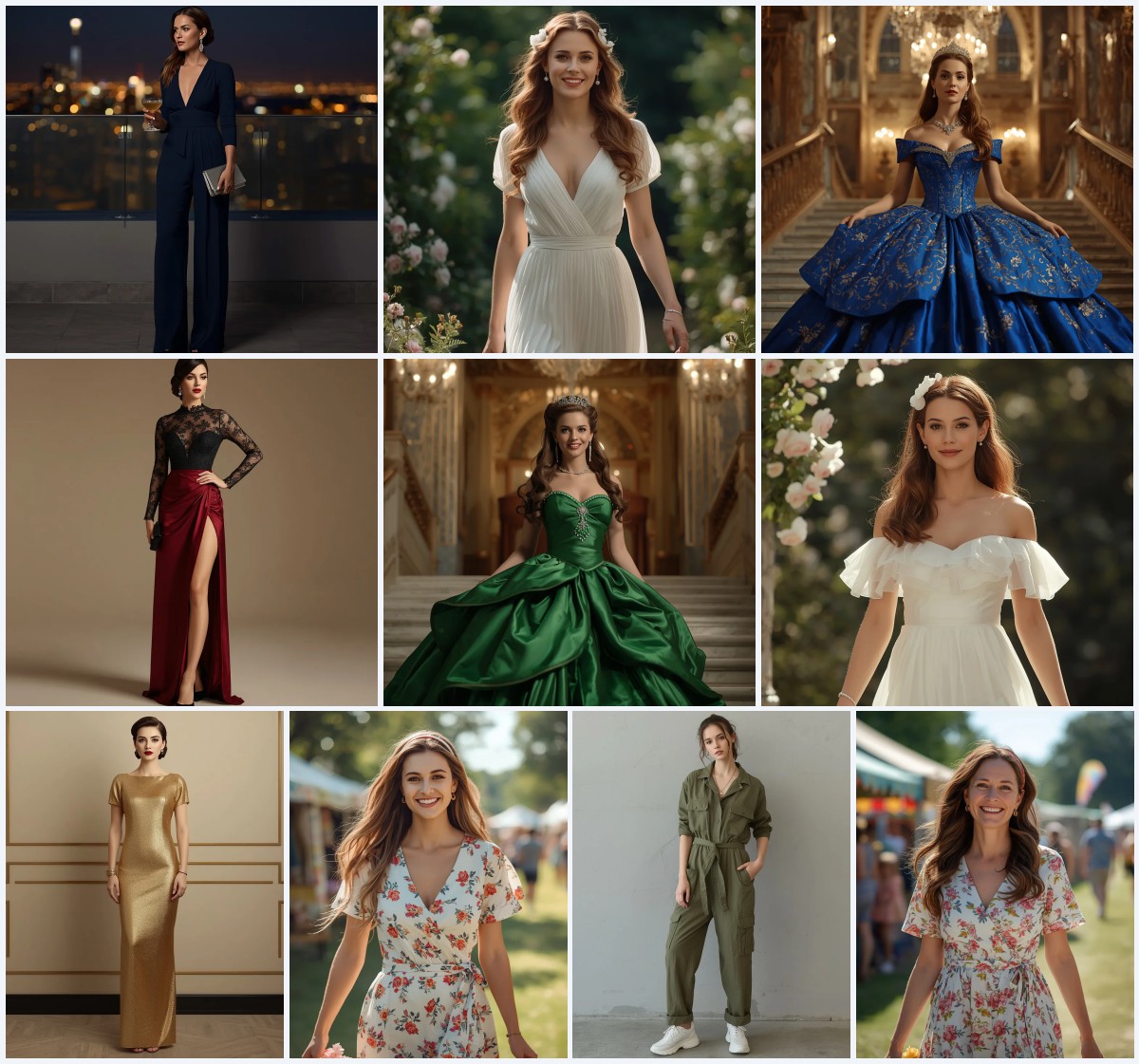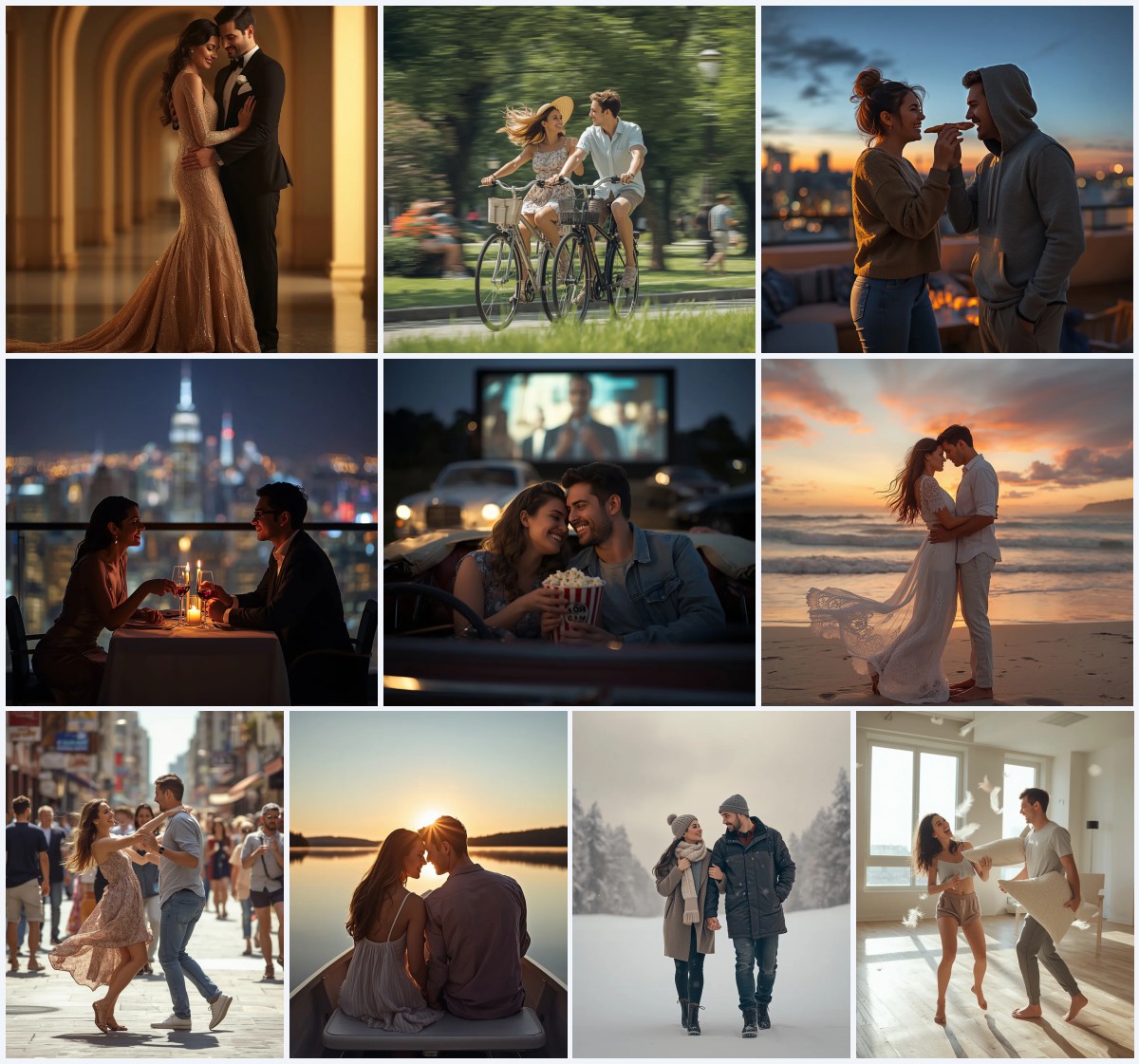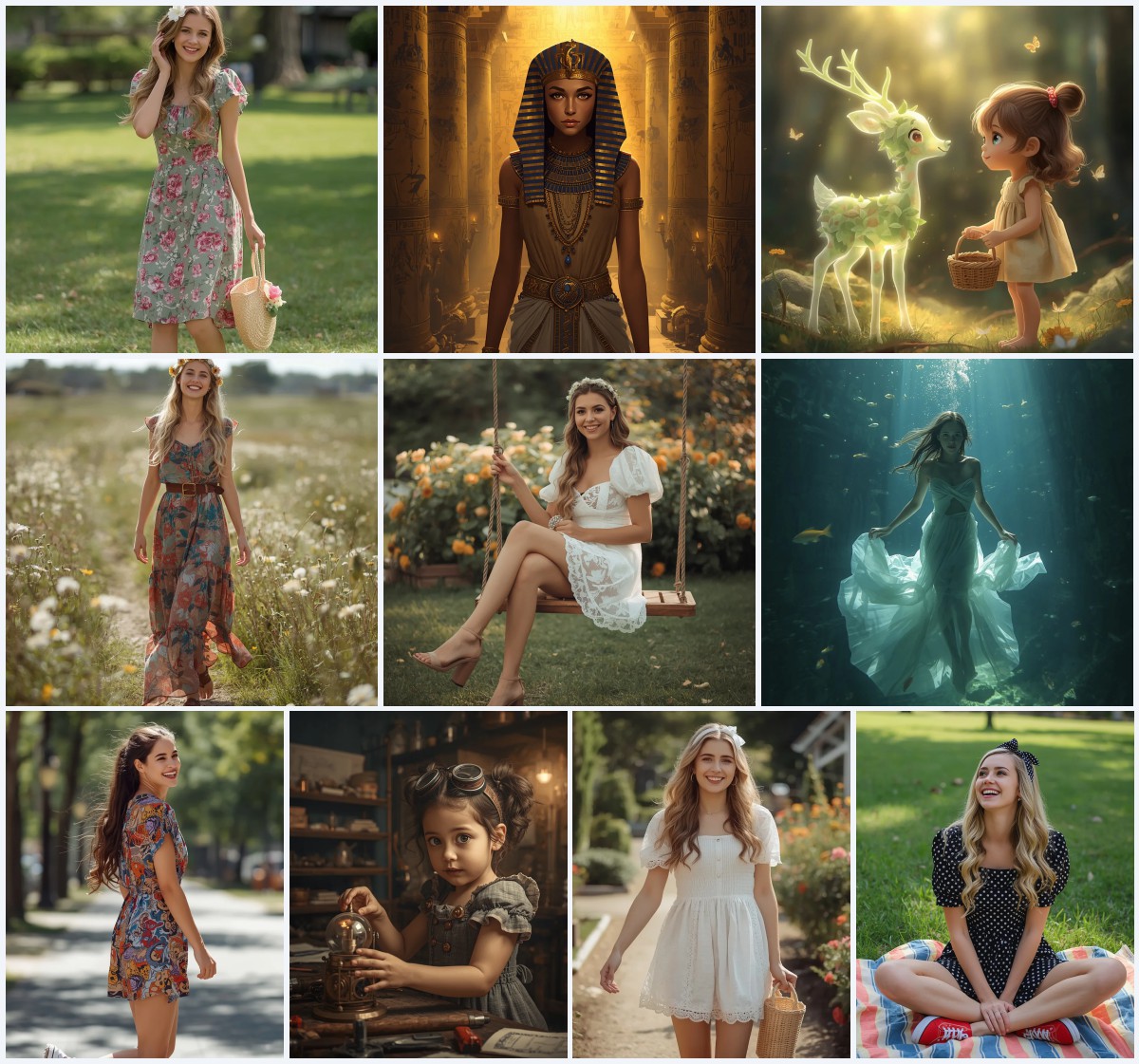




Top 10 Saree in Garden AI Prompts for Fresh and Natural Portraits
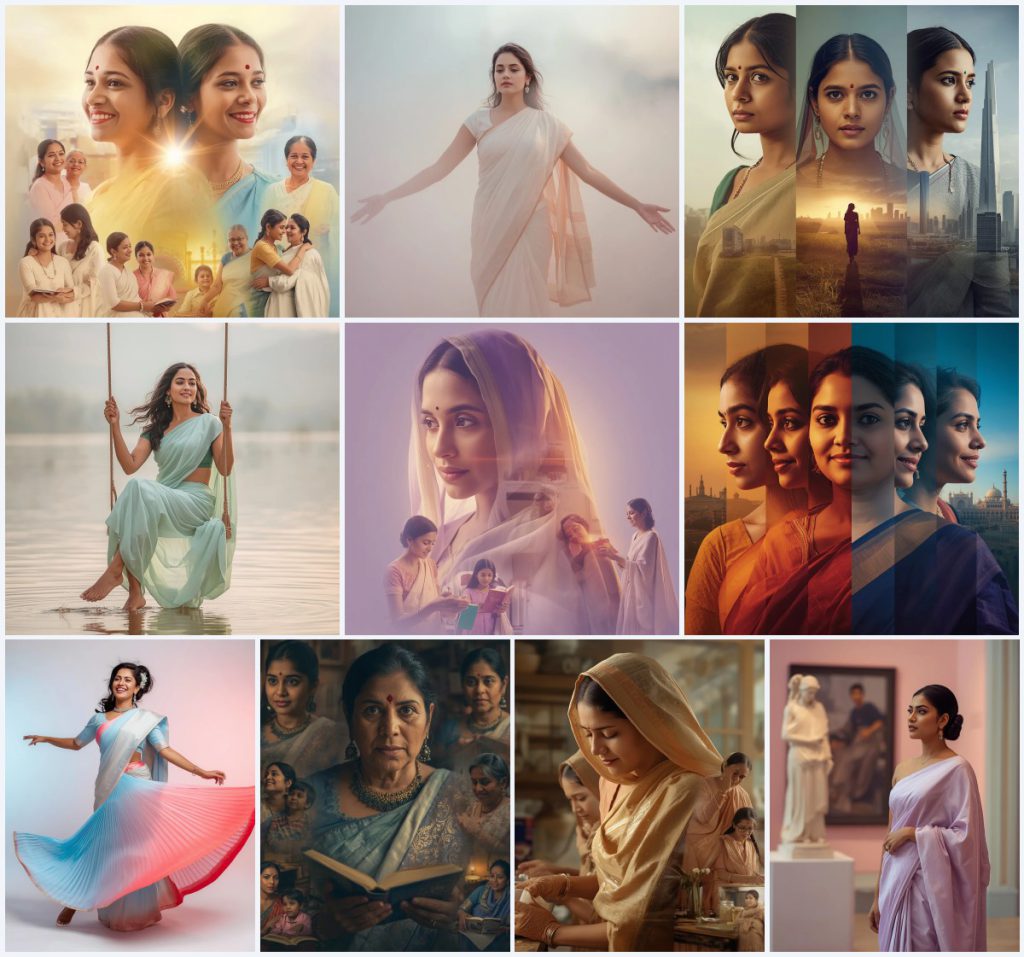
This collection gathers ten portrait prompts built around Indian women in sarees, most of them placed in soft outdoor or dreamlike settings that read like a garden of light and color. The titles range from Radiant Sisterhood: Bonds of Love and Support Through Life's Stages to Confident Indian Woman in a Modern Art Museum, Pastel Saree, and each one leans on pastel fabric, diffused light, and calm expressions.
Instead of treating every card as its own universe, this article looks at the set as one shared scene: a woman in a flowing saree, often in a misted or blurred landscape, photographed with gentle light and a viral aesthetic. You will see how the same ingredients repeat across the cards, how to keep them consistent, and where the prompts usually break. The goal is to help you generate portraits that feel fresh and natural rather than stiff or over-edited.
What this saree in garden prompt collection is asking for
The set asks for full-body and mid-frame portraits of Indian women in pastel sarees, usually with a soft background and a calm, serene mood. Some cards expand into narrative collages with overlapping time instances, while others stay as a single dreamy pose in mist, on a swing, or inside a gallery. The common thread is fabric that moves, light that diffuses, and a face that stays gentle and luminous.
- A flowing pastel saree in shades such as lemon yellow, aqua, cream, mint green, lavender, saffron, indigo, or lilac
- Dewy, luminous skin with subtle and almost magical makeup
- Loose or damp hair, sometimes with a few delicate flowers
- Soft mist, blurred lake, distant hills, pastel gradients, or a blurred gallery interior
- Full-body poses with outstretched arms, a gentle swing, a mid-twirl, or a hand holding the pallu
- Overlapping time instances in the narrative cards, blending childhood, adulthood, and mature stages
The shared garden mood across these ten cards
Most cards place the woman in an open, airy environment. The mist card says she is "appearing to emerge from a soft cloud of mist," while the swing card sets her "gently swaying on a swing suspended over a serene lake." The twirl card keeps things clean with "a bright, clean space with cheerful pastel gradients," and the museum card swaps nature for culture with "a blurred art gallery interior with pastel walls."
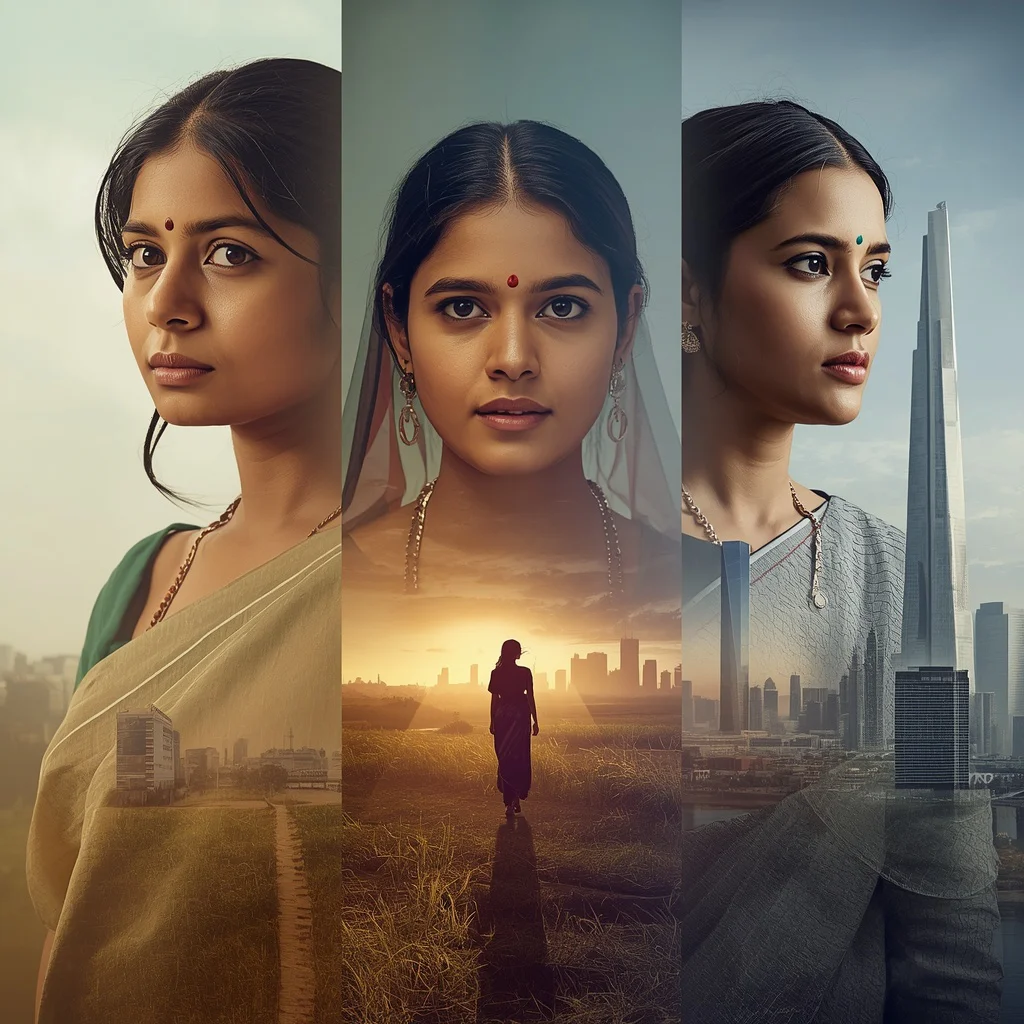
The narrative cards add time as a second layer of scenery. Radiant Sisterhood uses "overlapping time instances" to show two women as children, adults, and mature companions, and Rural Roots, Modern Wings follows one woman from a village school to an international stage. The garden feeling stays because the palette stays bright, the light stays soft, and every pose is described as graceful or slightly offset.
Three styles living inside this collection
Three styles are already written into the cards, and you should keep your generation inside them rather than pushing toward a different look. Each one uses the same pastel saree and soft-light vocabulary, so the set stays coherent.
- Dreamy ethereal portrait: The mist card builds this with "dewy, luminous skin" and "a blurred, mystical landscape enveloped in pastel mist," giving a fantasy glow without hard edges.
- Joyful motion editorial: The twirl card uses "a full-body dynamic pose" and pleats that are "elegantly flared out by the motion," which reads as a bright, cheerful studio editorial.
- Narrative collage: Radiant Sisterhood and The Guiding Light use "overlapping time instances" and "graceful, slightly offset poses" to stack life stages in one frame, so the collage structure is part of the style, not a mistake to remove.
How to run these prompts step by step
Work through the collection one card at a time so you can compare results and keep the pastel palette consistent. The steps below apply to any card, whether it is a single dreamy pose or a narrative collage.
- Copy the prompt. Open the card you want and copy the full prompt text exactly, including the saree color and the background description.
- Upload a reference. Add a clear photo of the person you have the right to edit, ideally with even light and a visible face and hands.
- Paste and generate. Paste the prompt into your tool, attach the reference, and run the first generation at default settings before changing anything.
- Check the face. Confirm the expression matches the card, such as "ethereal and serene" or "refined and reflective," and that the skin still looks natural.
- Check the hands. Look at the fingers, the grip on the swing ropes, and the hand holding the pallu, since these are the parts that break first.
- Check the main object. Verify the saree itself: pleats, pallu drape, color, and any flowers in the hair, then regenerate or edit only what failed.
Choosing the right reference photo
The reference photo decides how much the model has to invent, so a good one saves you several regenerations. These prompts ask for full-body poses and visible fabric, which means your input should show the same range.
- Use a full-body or three-quarter shot so the model can read your proportions before it builds the saree drape.
- Pick even, soft lighting on the face, because the prompts rely on dewy skin and subtle makeup that hard shadows will fight.
- Keep the background simple and uncluttered, since the cards already supply mist, a lake, pastel gradients, or a gallery interior.
Which tools handle this collection best
Different tools respond differently to pastel fabric and narrative overlap, so match the tool to the card you are running. The table below notes where each one tends to help most for this set.
| Tool | Access | Typical realism | Useful here for |
|---|---|---|---|
| ChatGPT | Web and app, paid tiers for image editing | Good on faces, softer on fine fabric | Editing an uploaded portrait into the mist pose with "dewy, luminous skin" while keeping the face recognizable |
| Google Gemini | Web and app, free and paid tiers | Strong scene understanding, moderate texture | Reading the narrative cards such as Radiant Sisterhood and keeping "overlapping time instances" logically ordered |
| Leonardo AI | Web, free credits then paid | High on stylized detail and lighting | Rendering the twirl card's "mesmerizing circular pattern" in the flared pleats with clean studio light |
| Midjourney | Web and Discord, paid subscription | High on atmosphere and color | Building the swing scene over a "blurred pastel lake and distant hills" with diffused golden hour light |
Small adjustments that protect the pastel look
A few practical moves keep the collection consistent, especially when you are running several cards in one session. These tips name the actual materials and objects the prompts describe.
- Keep the saree color literal: if the card says pastel mint green or pastel lilac, do not drift into saturated emerald or violet, because the pastel range is what makes the light work.
- Treat the mist, the swing ropes, and the open book as fixed props, and describe them again in your edit notes if the model drops them.
- When a card mentions delicate flowers in the hair, ask for a few small blooms rather than a full garland, so the hair stays loose and the face stays the focus.
Common failures and what to change
These prompts fail in predictable ways, mostly around hands, fabric, and the collage structure. Use the table to fix the specific problem instead of rewriting the whole prompt.
| Issue | What to change |
|---|---|
| Fingers merge or the hand on the pallu looks wrong | Shorten the hand description, ask for a relaxed grip, and regenerate that region only |
| Saree pleats turn into a flat sheet | Re-state the fabric movement, such as pleats "elegantly flared out by the motion," and lower any motion blur |
| Face drifts away from the reference | Raise reference strength and reduce the number of overlapping time instances in the narrative cards |
| Collage stages blend into a smear | Name each stage separately, like childhood, adulthood, and mature years, and ask for "graceful, slightly offset poses" |
Frequently Asked Questions
Can I run all ten cards with the same reference photo?
Yes, as long as the photo is full-body or three-quarter and evenly lit. The pastel sarees and soft backgrounds are consistent across the set, so one good reference can carry the whole collection, though you may want a second shot for the close-up narrative cards.
Why does the collage card look messy?
The narrative cards ask for "overlapping time instances," which is hard for a model to order. Name each life stage explicitly, keep the count to three, and ask for slightly offset poses so the viewer can still read one face at a time.
How do I keep the saree pastel instead of neon?
Repeat the exact color word from the card, such as pastel cream or pastel lavender, and avoid words like vibrant or saturated unless the card already uses them. If the color still drifts, lower saturation in post rather than regenerating the whole image.
Conclusion
This collection works best when you treat it as one garden of soft light and pastel fabric rather than ten unrelated pictures. Pick the card that matches your reference photo, copy the prompt as written, and check the face, hands, and saree before you change anything else. The narrative cards reward patience, and the single-pose cards reward a clean, evenly lit input. Keep the palette pastel, keep the poses graceful, and the fresh, natural look will hold across the whole set.